How to Choose Floor Color? (Create a Harmonious Space for Your Home)
The floor is the largest surface in any room. The color you choose sets the tone for everything above it.
Get it wrong and you are looking at a costly redo. Floor color is one of the hardest finish decisions to reverse.
Choose carefully.
This one decision touches every room you walk into.
Short answer: Light floors make small or dark rooms feel bigger and brighter. Darker floors add warmth and drama to large, well-lit rooms. Match your floor’s undertone to your wall color, and factor in how much upkeep you are willing to do.
How to choose a floor color
| Your goal | Floor color to lean toward |
|---|---|
| Make a small room feel larger | Light floors: pale hardwood, light vinyl plank, cream tile |
| Add warmth and drama to a large open room | Dark floors: espresso, charcoal |
| Hide daily dust, pet hair, and crumbs | Mid-tone or varied-grain floors |
| Brighten a north-facing or low-light room | Light floors |
| Match cool gray or blue walls | Cool-toned floors (gray, ash) |
| Match warm white or beige walls | Warm-toned floors (honey, oak) |
Room size and light
Light floors reflect light and make a small or dark room feel larger and brighter. Dark floors can make that same small room feel tighter and more closed in.
North-facing rooms and basements do better with lighter floors. Large, sunny rooms can carry a dark floor without feeling heavy.
Undertones (match your walls)
Every floor color has an undertone, and so does every wall color. Warm undertones lean red or yellow. Cool undertones lean blue or gray.
Match them up. Cool gray walls pair best with ash or cool-toned floors. Warm beige or white walls work with honey oak or similar warm wood tones.
Warm vs cool
Your light bulbs matter here. Warm, yellow-toned bulbs make honey and cherry tones look rich and harmonious. Those same bulbs can make a cool gray floor look a little off.
Check your bulbs before you buy. Daylight bulbs favor cooler tones; warm-white bulbs favor warmer ones.
Upkeep reality
Dark floors show everything: dust, crumbs, pet hair, and fine scratches. They look stunning right after a clean and lived-in a day later.
Light floors hide dust but can show stains. Mid-tone floors with a varied grain hide the most day to day, the practical pick for busy households, kids, and pets.
Test before you commit
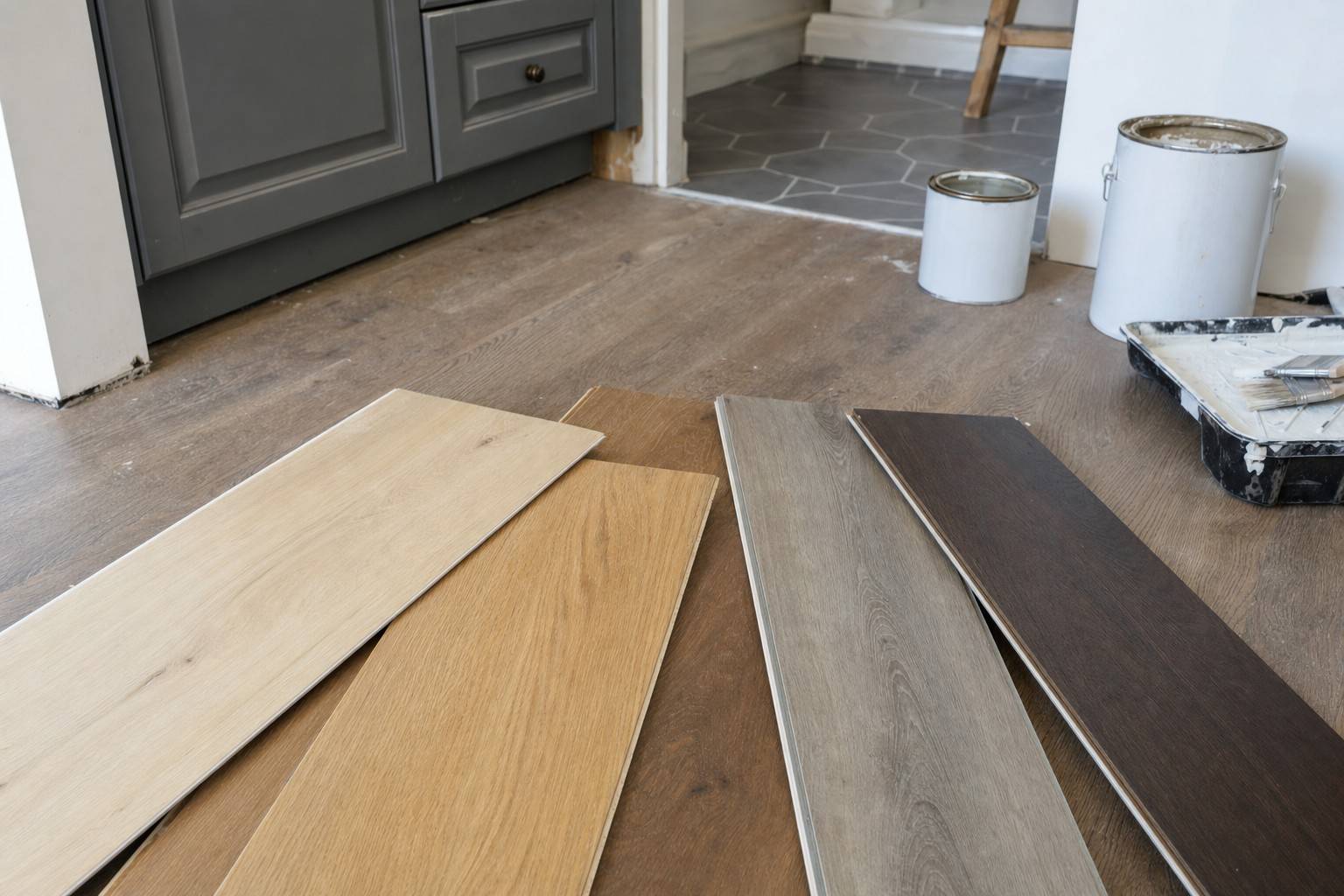
Bring home large samples and live with them for at least a full day before you decide. A small chip in a store tells you almost nothing about how a floor will behave in your room.
Place the sample on the floor in the actual room. Look at it in morning light, afternoon light, and under your evening lights. The color will shift, sometimes a lot.
One viewing in one light is not enough.
The Bottom Line
- Go light if your room is small, dark, or north-facing, or if your household is busy and you want a floor that hides daily debris without constant cleaning.
- Go dark if your room is large and bright and you want warmth, drama, and a grounded feel, and you are prepared to clean more often.
Related reading: Do Dark Floors Make a Room Look Smaller? and Are Dark Floors Hard to Keep Clean?.