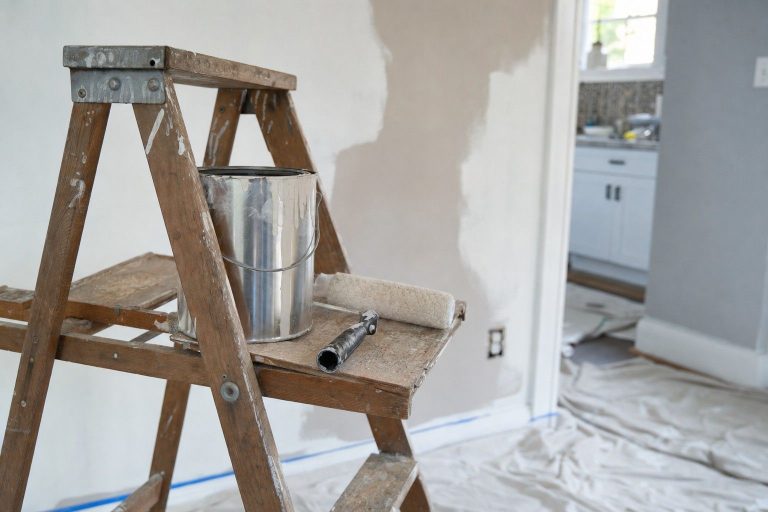
Sherwin-Williams Cashmere vs. SuperPaint: Smooth Finish or Everyday Toughness?
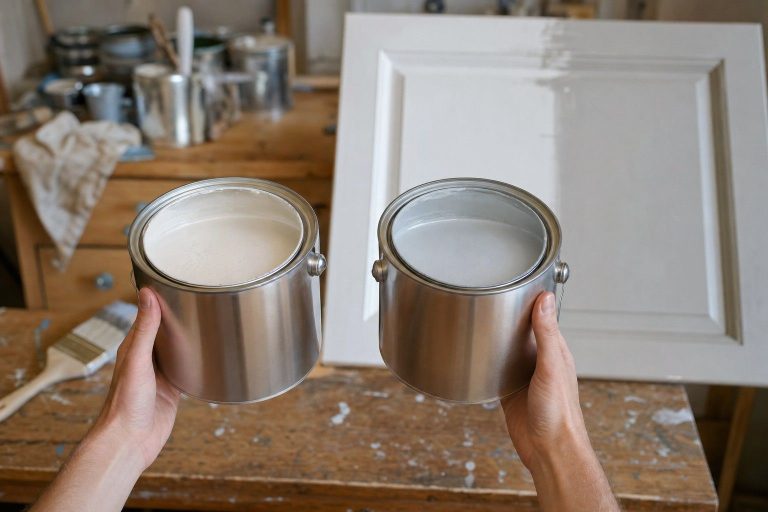
Cashmere and SuperPaint are both popular Sherwin-Williams interior paints, and they sit at a similar price. Cashmere vs. SuperPaint really comes down to what the room needs from the paint on its walls.
One optimizes for how the wall looks. The other optimizes for how the wall holds up.
Short answer: Cashmere lays down the smoothest, most elegant finish and is the easiest paint to apply by hand. SuperPaint is tougher, more washable, and more versatile, with exterior and specialty formulas Cashmere does not offer. At a similar price, the pick comes down to whether the room is judged on looks or on wear.
Reader-supported: if you buy through links on this page we may earn a small commission, at no extra cost to you.
Cashmere vs. SuperPaint at a Glance
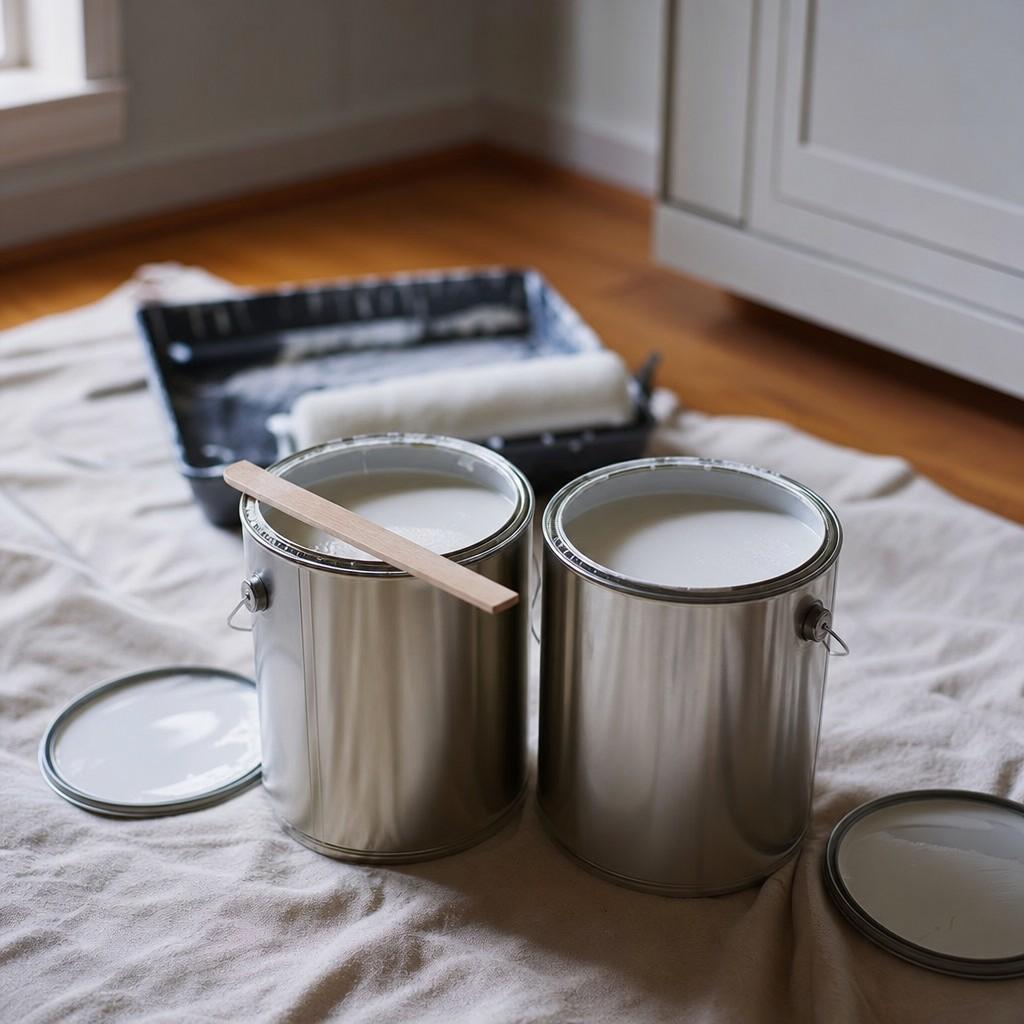
Coverage is identical. Everything else on this table is a trade-off.
| Feature | Cashmere | SuperPaint |
|---|---|---|
| Paint type | Interior acrylic latex | Acrylic latex (interior, exterior, and specialty lines) |
| Interior finishes | Flat, Eg-Shel, Low Lustre, Medium Lustre, Pearl | Flat, Satin, Semi-Gloss, High Gloss |
| Self-priming | Yes | Yes |
| Coverage per gallon | 350 to 400 sq ft | 350 to 400 sq ft |
| Dry to recoat | About 1 hour / 4 hours | Within a few hours |
| Durability and scuff resistance | Good | Better, built for high traffic |
| Washability | Good | Very good |
| Application feel | Silkiest, levels best, most forgiving | Easy, but not as smooth as Cashmere |
| Exterior version | No | Yes |
| Specialty formulas | None | Air-purifying, sanitizing |
| Color options | 1,700 plus | 1,700 plus |
| VOC | Low, under 50 g/L | Low, under 50 g/L |
Specs reflect current Sherwin-Williams interior lines; prices vary by region and sales.
Where they are the same
These two share more ground than the price tag suggests.
Both are water-based acrylic latex with primer built in, so most repaint jobs skip a separate primer coat. Both cover 350 to 400 square feet per gallon, and both come in more than 1,700 colors.
VOCs stay low on both, under 50 g/L, and each dries to recoat within a few hours. On coverage and color choice, this comparison is a wash. The real gaps show up in finish, toughness, and range.
The differences that decide it
Finish and application feel
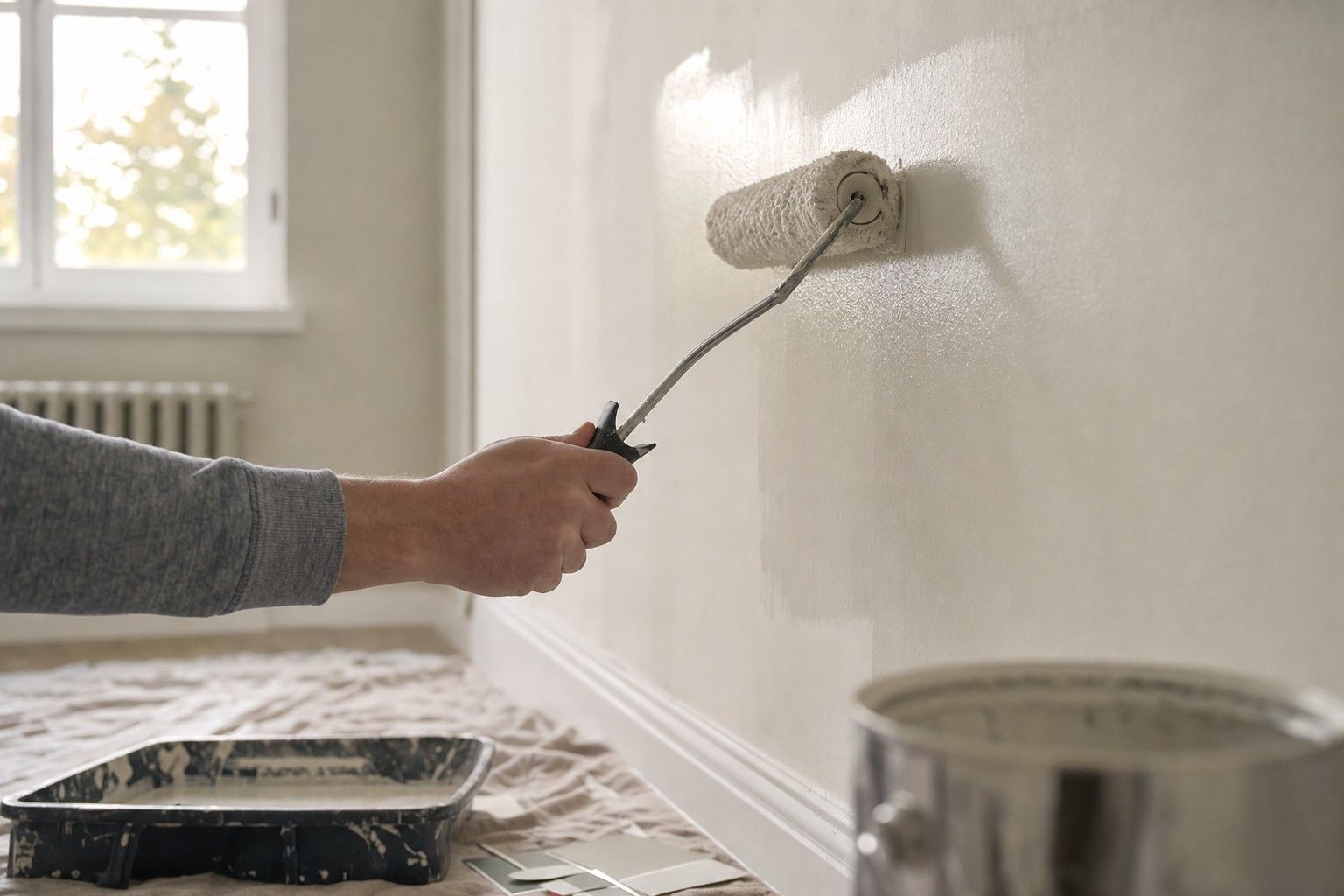
Cashmere is the smoother paint to work with, full stop.
It levels as it dries, hiding brush and roller marks in a way that reads as high-end once it cures. A closed-cell foam mini roller helps either paint go on evenly. Cashmere stays the more forgiving of the two, even with a standard nap cover.
SuperPaint goes on easily as well. It just does not match Cashmere for a flawless, brush-mark-free finish on a flat wall.
Coverage
Neither paint wins here. Both spread 350 to 400 square feet per gallon. The coverage math is identical no matter which can you buy.
That is unusual among Sherwin-Williams comparisons. Step up to Duration, and coverage drops to 250 to 300 square feet per gallon for a thicker film. Cashmere and SuperPaint both hold the wider spread.
Durability and scrubbing
Here SuperPaint pulls ahead.
It resists scuffs, marks, and dirt better, and wipes clean more readily than Cashmere. That edge makes it the smarter pick for hallways, entryways, and kids’ rooms. A damp cloth usually brings the wall back to clean.
Cashmere is washable too. It is simply rated a step below SuperPaint for everyday wear, which is the trade you make for the smoother finish.
Sheen lineup
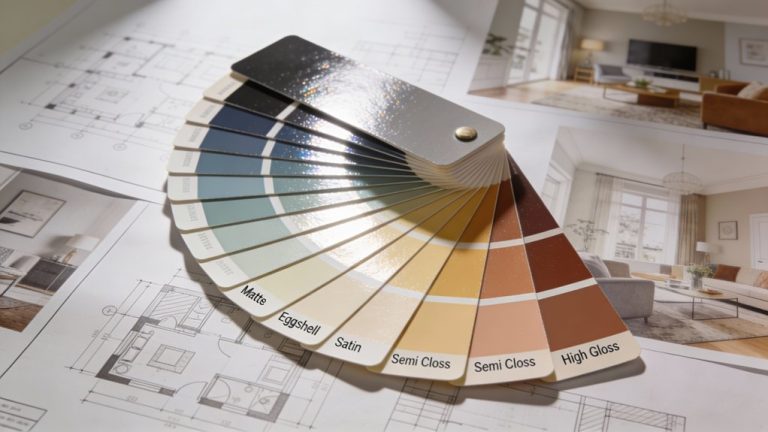
Cashmere runs deeper in the low-lustre range: Flat, Eg-Shel, Low Lustre, Medium Lustre, and Pearl, all interior only. That gives a soft-look room more gradations to choose between.
SuperPaint keeps it simpler, Flat through Satin and Semi-Gloss, then adds a High Gloss option Cashmere’s interior line skips entirely. For how sheen affects a specific room, the site’s room-by-room sheen guide breaks down where each level earns its keep.
Price positioning
These two sit close together in price, closer than any other Sherwin-Williams pairing on this site. SuperPaint typically lands a little below Cashmere per gallon, not enough to be the deciding factor on its own.
Given how close the sticker prices run, choose by what the room needs. Do not chase a few dollars a gallon.
Where each one shines
Cashmere earns its keep where the finish is on display and traffic stays light: living rooms, dining rooms, bedrooms, and ceilings.
SuperPaint belongs where walls take a beating, or where the job steps outside: kitchens, hallways, kids’ rooms, and any exterior surface. Its air-purifying and sanitizing specialty formulas are options neither Cashmere nor most competing lines offer at all.
When neither is the right call
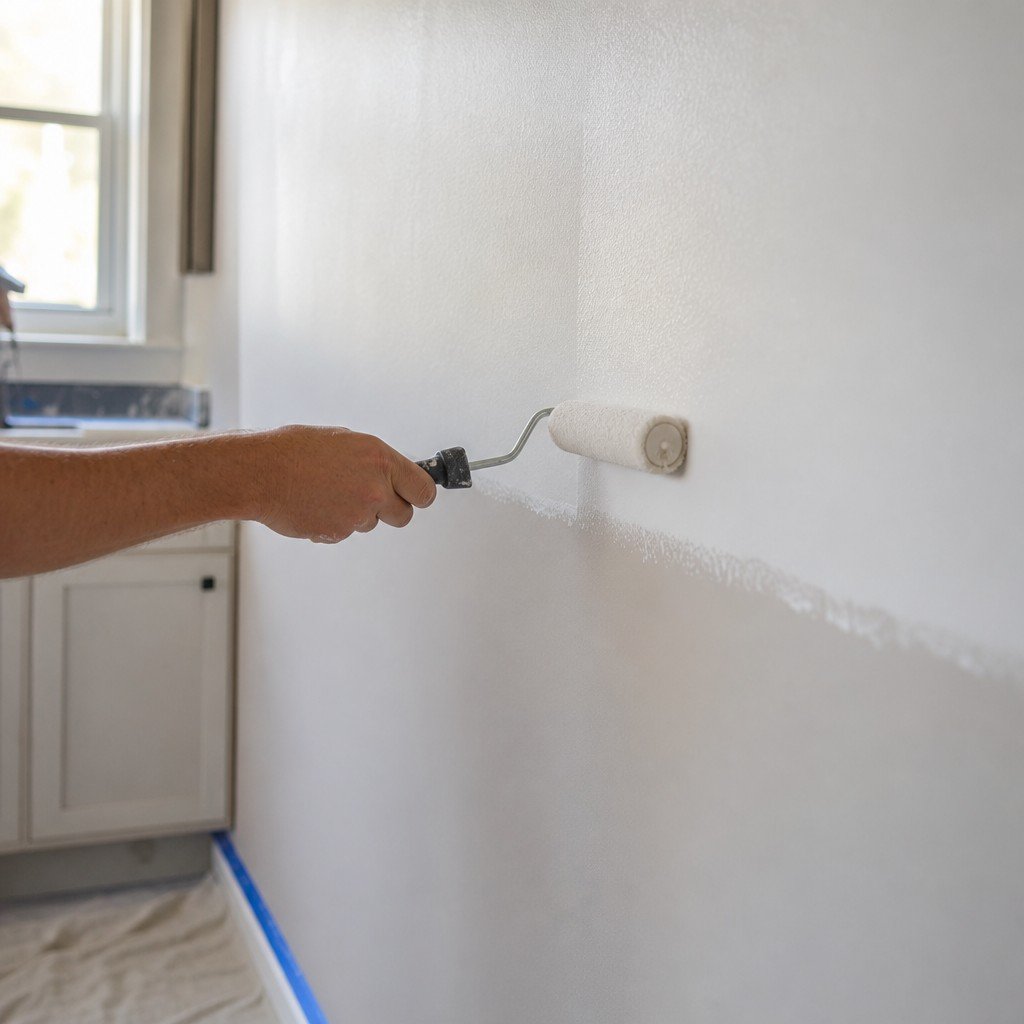
Cabinets and trim are the exception worth naming honestly.
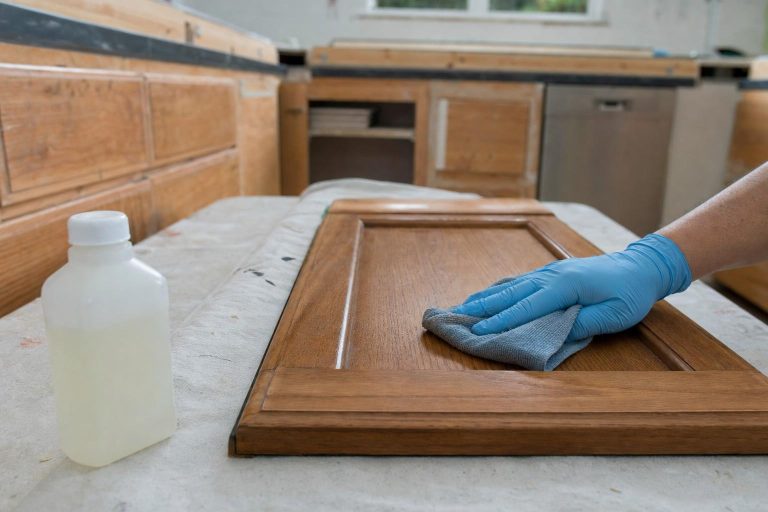
Skip both wall paints for cabinet doors and trim. Sherwin-Williams builds a separate line, Emerald Urethane Trim Enamel, specifically for that job. It holds up to daily hand contact in a way neither Cashmere nor SuperPaint is designed for.
One line paint, one job.
If cabinets are the actual project, the Cashmere vs. Emerald comparison covers the wall-paint side of that decision. A dedicated enamel is still the better call for the doors themselves.
Whichever paint you land on for the walls, the right roller and brush still decide how the finish looks once it is dry. The site’s roller and brush picks for a smooth cabinet-grade finish cover that side of the job in more depth.
The Bottom Line
- Choose Cashmere if you want the smoothest, most elegant finish for calm, low-traffic rooms, and you do not need an exterior option.
- Choose SuperPaint if you want a tougher, more washable all-rounder at a close price, or one paint line inside and out.
Frequently asked questions
Is SuperPaint actually cheaper than Cashmere?
It typically runs a little lower per gallon, but the gap is small. Coverage is identical, so the total cost for a room comes out close either way.
Can Cashmere be used outside?
No. Cashmere is an interior-only line. SuperPaint is the one with an exterior version. It is the better pick if you want to match indoor and outdoor walls to the same paint.
Does either paint need a separate primer?
No, both are self-priming, which covers most previously painted walls without an extra coat.
Alternatives worth a look
Want to compare outside Sherwin-Williams? Behr Premium Plus and Benjamin Moore Regal Select sit in the same mid-premium range as these two, on both price and feel.
Staying inside the Sherwin-Williams lineup, the Cashmere vs. Duration comparison covers the step up to a thicker, moisture-resistant film. The Duration vs. SuperPaint comparison covers that same trade-off from the value side.