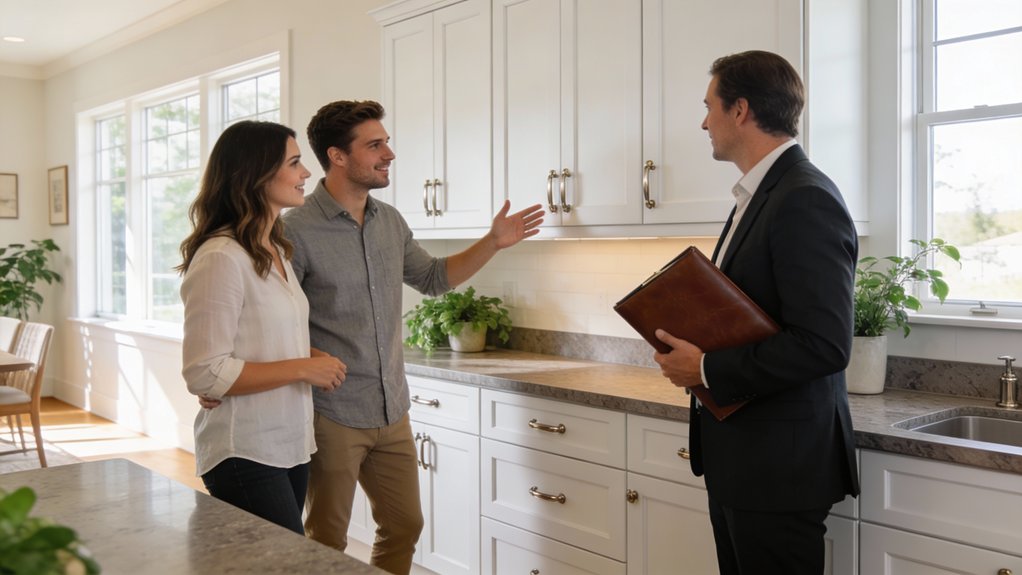
How to Choose Kitchen Cabinet Colors for Maximum Resale Value
Get the color wrong and you could lose $2,000 to $5,000 off your asking price. Get it right and you’ll sell faster with better offers.
Your kitchen cabinets cover 40 to 60% of your wall space. That makes them the biggest visual element buyers see when they walk in.
The good news is that choosing the right color isn’t complicated. You just need to understand what buyers actually want and how to make your kitchen feel ready to move into.
1. Why Cabinet Color Matters for Resale

Cabinet color is a shortcut for buyers. It tells them “updated” or “work needed” before they notice anything else.
Neutral updated cabinets tell buyers this kitchen is ready to use. Bold or outdated colors tell them they’ll need to budget for changes before they can cook their first meal.
Buyers typically judge your kitchen in about 30 seconds. They’re deciding if they want to spend their money here or keep looking.
Homes with neutral cabinets sell faster. They also get higher offers because buyers aren’t mentally subtracting renovation costs.

Most buyers want spaces that feel bright and clean. Dark cabinets make rooms feel smaller. Weird colors make people wonder what else needs fixing in your house.
2. How Buyers Actually See Kitchen Colors

Here’s what happens when buyers see your cabinets. They start doing math in their heads. If your cabinets look dated or dark, they’re calculating what it costs to fix them.
Repainting cabinets runs $3,000 to $7,000. New cabinets cost $15,000 to $30,000. That money comes straight out of what they’ll offer you.
Neutral colors stop this mental calculation. White, gray, and greige tones look current and finished. Buyers can picture their own dishes in your cabinets. They usually feel “move-in ready.”
Bold cabinet colors create doubt. Even if your cabinets are high quality and well built, bright red or dark brown makes buyers pause. They see work ahead instead of a home they can enjoy right away.
3. Best Cabinet Colors for Maximum Resale Value

Stick with soft whites, warm grays, greige, and light natural wood. These colors work in any style home. They photograph well for online listings. They make kitchens look bigger and brighter.
Skip anything bold or dark. You’re trying to appeal to as many buyers as possible. Unusual colors cut your buyer pool in half.
Soft Whites and Off-Whites
Soft white is your safest bet. Not bright white, which feels cold and shows every fingerprint. Go for creamy whites or warm ivory tones instead.
These shades make kitchens feel larger. They reflect natural light better than any other color. Off-white works with everything: granite, marble, tile, wood floors. You won’t create clashes with your countertops or backsplash.
Soft whites also hide normal wear better than stark whites. Small scuffs blend in. Buyers see a well maintained space instead of one that needs touching up.
Warm Gray and Greige
If white feels too plain, try warm gray or greige. These are the middle ground between traditional and modern. They give you depth without going too dark.
Warm gray pairs well with stainless steel appliances. Greige works across different design styles. Neither one will limit what future buyers want to do with the space.
Stay in the light to medium range. Dark grays can feel heavy in smaller kitchens. Light versions keep things bright while adding more visual interest than plain white.

Light Natural Woods
Light wood cabinets bring warmth that painted options can’t match. If you have solid oak or maple, you’re already ahead. Just make sure the stain is light and current looking.
Avoid orange or yellow undertones. Those read as outdated immediately. Modern light stains show the wood grain without looking like the 1990s.
This saves you the cost of full replacement. You refinish what you have and get the updated look buyers want. Light wood works especially well in farmhouse and contemporary homes.
4. High-Impact Accent Colors (Used the Right Way)

You can use accent colors like navy, charcoal, or sage green. The trick is keeping them limited. Use them on islands or lower cabinets only. Pair them with light upper cabinets and neutral walls.
This approach gives you personality without overwhelming the space. Buyers who like bold colors will notice. Buyers who prefer simple designs won’t be turned off because most of the kitchen stays neutral.
Navy and Deep Blues
Navy on a kitchen island looks custom and expensive. It adds sophistication without taking over. Pair it with white or light gray upper cabinets and you get visual contrast that buyers notice.
Use warm metal hardware like brass or copper with navy. This combination feels intentional and designed. Keep your countertops light. White marble or light quartz makes navy pop without darkening the whole room.
Don’t paint your entire kitchen navy. That creates a cave effect that kills buyer interest fast.
Charcoal
Charcoal works like navy but feels more modern. Use it on lower cabinets with white uppers. This two-tone look is popular right now and adds depth to your kitchen.
Dark lower cabinets hide daily wear. Scuffs and stains disappear on charcoal surfaces. Your cabinets look cleaner longer. Buyers appreciate practical choices like this.
Charcoal goes with everything: stainless appliances, granite counters, subway tile backsplashes. Just remember to keep it contained. Use it as an accent only.
Sage and Soft Green
Soft green tones are trending right now. But you need the right shade. Go for muted grayish greens, not bright or neon versions.
Sage feels calm and grounded. It connects to nature without being risky. Pair it with neutral counters and backsplashes. White or warm gray surfaces keep the look sophisticated.
This color adds interest while staying in safe territory. You stand out from standard white kitchens without scaring off conservative buyers.
5. Cabinet Colors to Avoid If You Plan to Sell

Stay away from bright primary colors. Red, yellow, and blue cabinets make kitchens feel like playrooms. Neon tones look dated almost immediately.
Dark colors in dim kitchens create problems. Brown, black, or dark gray makes small spaces feel cramped and gloomy. Buyers walk in and want to leave.
Old wood finishes with orange or yellow tones tell buyers your kitchen hasn’t been updated. They see an older home that needs work. That mental calculation we mentioned earlier? It starts immediately.
These choices cost you money at closing. Buyers reduce their offers to cover the repainting they’re already planning. Stick with neutrals instead.
6. Match Cabinet Color to Your Kitchen (Light, Size, Finishes)

Your cabinet color needs to work with what you already have. Look at your natural light first. Small or dark kitchens need lighter cabinets to bounce light around.
Larger kitchens with good windows can handle deeper tones. Pay attention to how light changes through the day. Morning light looks different than afternoon sun.
Match your cabinets to your existing counters and floors. Cool gray cabinets clash with warm beige countertops. Warm whites complement honey-colored wood floors. Check undertones before you commit to a color.
7. Style and Market: Adapting Color to Your Buyer Profile

Your local market matters. Urban design-forward areas might embrace bolder choices. Conservative family neighborhoods typically want simple whites and grays.
Drive around your area and look at recently sold homes. Notice what sold fast. Check online listings for comparable houses. This research tells you what works where you live.
Modern homes suit sleek grays. Farmhouse styles need warm whites or cream. Traditional homes work best with classic ivory. Match your cabinet color to both your home’s style and what local buyers expect.
8. Finish, Sheen, and Maintenance Buyers Care About

Satin and semi-gloss finishes are your best options. They resist moisture and stains. They wipe clean easily. These finishes last 5 to 10 years with normal use.
Home buyers notice whether your cabinets look professionally done. Cheap finishes show streaks and wear quickly. Quality finishes signal that you maintained your home well.
Matte looks modern but shows fingerprints and requires more cleaning. Glossy reflects light nicely but needs constant attention. Stick with satin or semi-gloss for maximum appeal.
9. Quick Color Formulas You Can Copy

- Warm white with light counters and brushed nickel hardware works for smaller darker kitchens. This brightens the space and makes it feel larger.
- White uppers with navy island and light oak floors suits modern open kitchens. This two-tone approach looks custom without being risky.
- Soft gray cabinets with white subway tile and stainless steel appeals to contemporary buyers. This combination feels current and elegant.
- Cream cabinets with warm wood accents and copper hardware creates inviting traditional spaces. This preserves value without following short-term trends.
The Bottom Line
Choose neutral whites, grays, or greige for maximum resale value. Use two-tone combinations carefully if your market supports them. Avoid bold colors that narrow your buyer pool.
Your kitchen cabinets set the stage where buyers imagine their future. Get the color right and you’re not just selling space. You’re selling possibility. That’s what brings in top offers.
Read more: Best Paint Roller Kits for Kitchen Cabinets