Best Rollers and Brushes for Painting Kitchen Cabinets
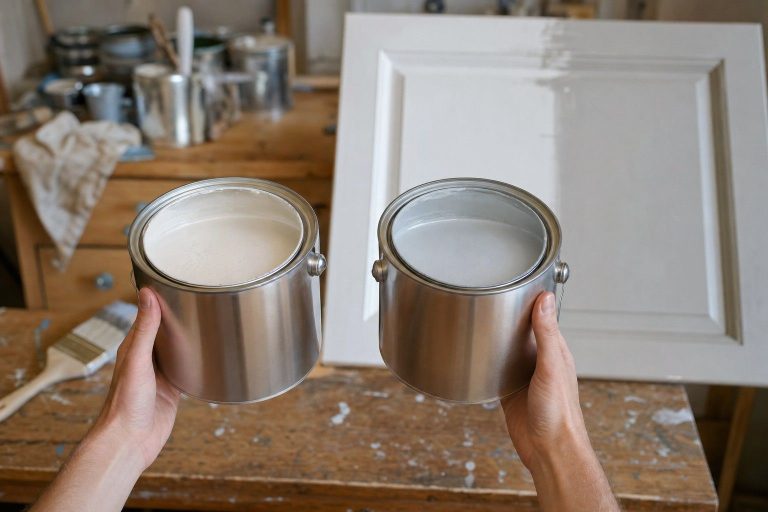
A hand-painted cabinet door gives itself away in two places. Brush marks along the edges, and a fine stipple across the flat panel.
Both come from the tool, not from the paint.
A regular wall roller leaves a texture that never goes away on a flat door front.
The Wooster Mini-Koter foam roller is the best pick for a smooth cabinet finish.
Four other picks below fit specific situations: a wider roller, a detail brush, a starter kit, and a set for tight spots.
Reader-supported: if you buy through links on this page we may earn a small commission, at no extra cost to you.
Wooster Mini-Koter Foam Roller (best foam roller for a smooth finish)

This is a 4 inch closed-cell foam roller, built for mini roller frames rather than a full-size wall roller.
Best for: a smooth base coat on flat door and drawer fronts.
Closed-cell foam is the detail that matters most on a cabinet job. It leaves almost no stipple, unlike the open nap on a standard wall roller.
That difference is what separates a cabinet door that reads smooth from one that reads painted. Enamel and lacquer both show roller texture more than a flat wall does.
The set includes ten covers, enough for a fresh one every coat instead of cleaning one out between coats.
One honest limitation: foam holds less paint per load than a nap roller, so it needs reloading more often. That thinner load is actually a plus on a cabinet topcoat, where thin coats beat heavy ones.
Wooster Pro Foam Roller (best wider roller for doors)


This is a 4.5 inch foam roller, a half inch wider than the mini roller above.
Best for: covering a wide door or drawer face in fewer passes.
That half inch adds up across a whole kitchen’s worth of doors. Fewer passes across each panel also means fewer overlap seams, and fewer seams is part of what keeps a coat looking even up close.
The pack includes two covers, enough to swap in a fresh one once the first mats down.
One honest limitation: the extra width makes it a clumsier tool in a tight inside corner or a recessed panel edge. That is where the angled brush below takes over.
Purdy Clearcut Glide Angle Trim Brush (best for edges and detail)

This is a 2.5 inch angled sash brush, built with a nylon and polyester blend for waterborne enamels used on most cabinet jobs today.
Best for: edges, corners, and profiled panel detail no roller can reach.
The angled tip is what gets into a recessed panel or a profiled door edge, spots where even the mini roller above cannot sit flat.
It also cuts a clean line where a door meets a face frame, an edge that shows if it wanders.
One honest limitation: a brush leaves its own texture if the marks are not tipped off smoothly. That takes a light touch and some practice on scrap first.
Bates Paint Roller Kit (best complete starter kit)

This is a 19-piece kit built around a roller frame, a set of microfiber sleeves, and a paint tray.
Best for: a first cabinet project with no frame or tray on hand yet.
A first-time cabinet painter does not have to piece together a frame, covers, and a tray from three different aisles. One purchase covers the basics.
Microfiber sleeves are a different nap than the closed-cell foam covers above, better suited to primer than to the final topcoat.
One honest limitation: the microfiber sleeves in a general kit like this are not the same closed-cell foam built for a stipple-free topcoat. Plan on the dedicated foam roller above for the finish coat, and let this kit’s frame and tray handle the rest.
Magimate Small Paint Roller Set (best mini roller set for tight spots)
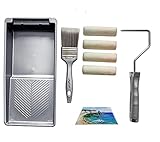
This is a small roller set built around short-nap mini rollers, paired with a 2 inch brush.
Best for: narrow rails, stiles, and the inside of a face frame.
A narrow rail or stile is often too tight for a standard mini roller to sit flat on. The wider pro roller above fits even less.
This set’s smaller rollers are sized for exactly that gap.
The included brush handles the inside corners of a face frame, tighter than the Purdy brush above can manage.
One honest limitation: a set like this supplements the main picks above rather than replacing them. It solves the narrow spots, not the flat door panels.
How to roll and brush cabinets for a smooth finish
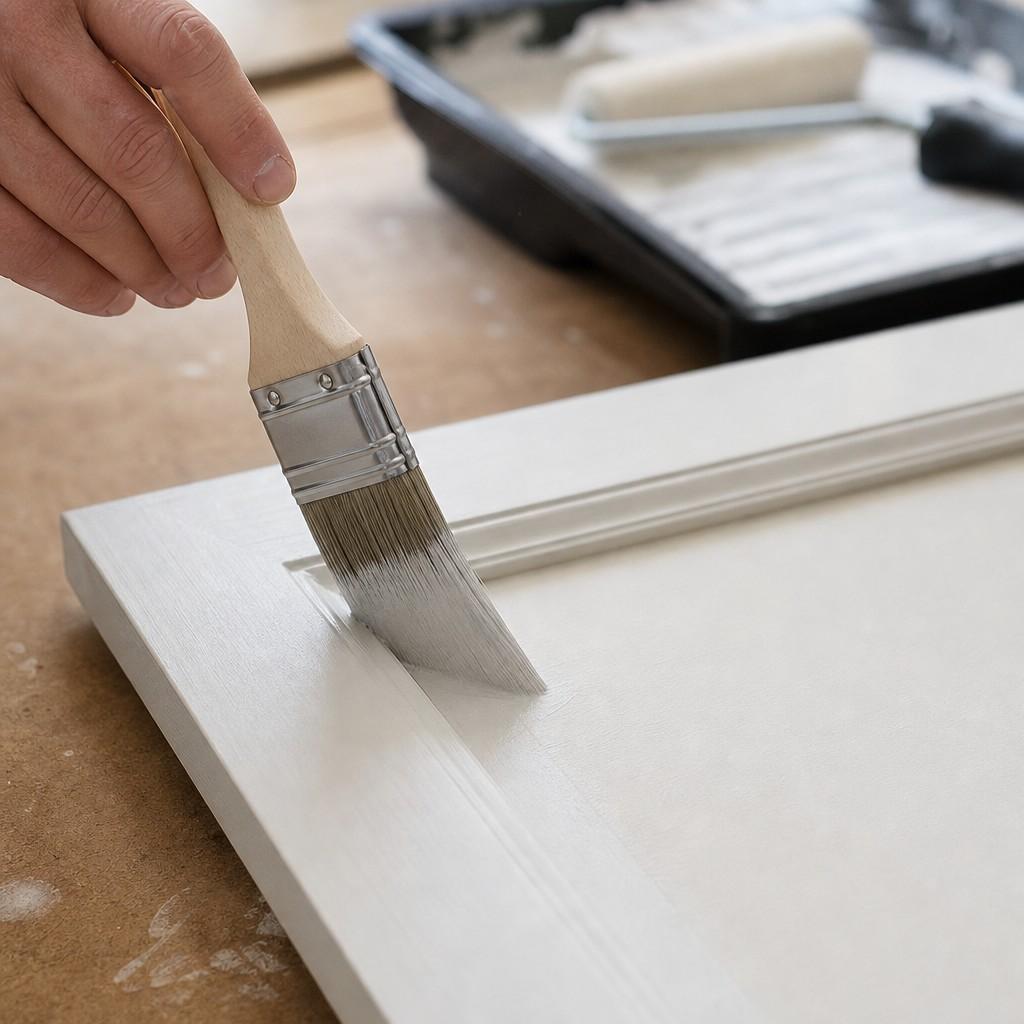
The roller lays the paint, the brush cleans up what it misses.
- Degrease the cabinets, then cut the gloss with a deglosser and follow with a bonding primer before any topcoat goes on.
- Check whether your cabinet paint needs thinning. A thick enamel can drag under a foam roller instead of leveling out.
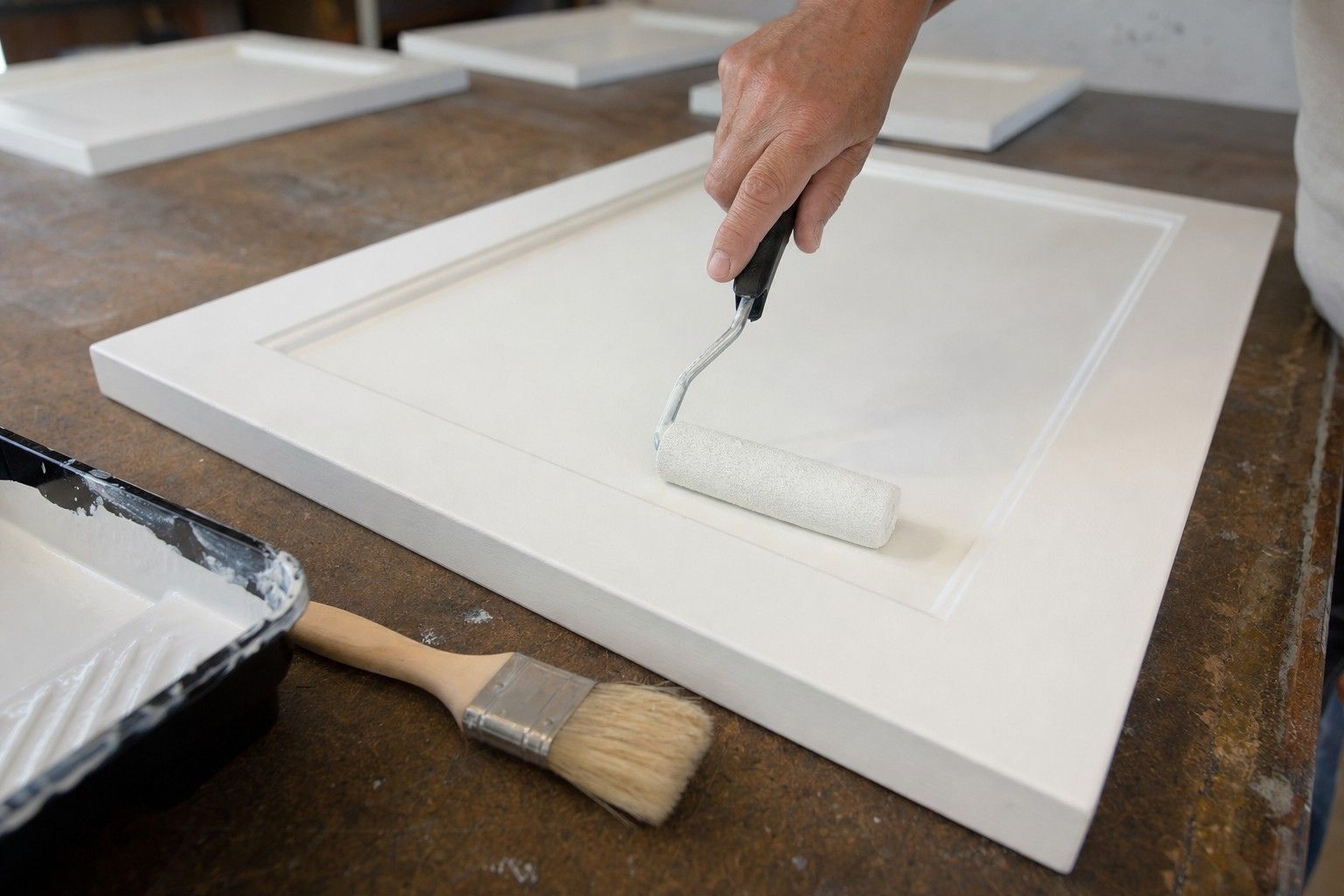
- Load the roller lightly and roll the flat panel first, working in one direction rather than back and forth.
- Tip off the wet edges with the angled brush right away, before the paint starts to set up.
- Apply thin coats. Two or three light coats level out and hide roller marks better than one heavy one.
- Let each coat cure fully before the next. Recoating too soon traps texture instead of smoothing it out.
For the fuller prep-to-finish sequence, including sanding steps and cure times, see the full cabinet painting checklist.
When to spray instead
A roller and brush are not always the right call.
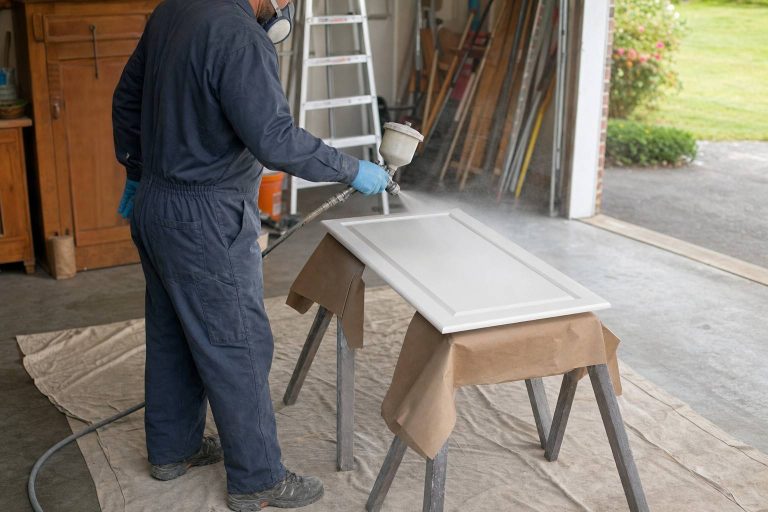
For a whole kitchen’s worth of doors, a sprayer lays down a finish a roller and brush cannot fully match. It leaves no roller stipple and no brush marks across dozens of doors.
That finish comes at a cost. Spraying means masking off a garage or a spare room, plus cleanup time a roller and brush do not ask for.
Rolling and brushing is the right call for a handful of doors, a rental, or anyone who does not want to mask a room. The faint texture a roller leaves rarely shows at normal distance, and the tools clean up in a sink.
If a whole kitchen still sounds like too much masking and cleanup, the five picks above get a durable, presentable finish by hand instead.
How to choose rollers and brushes for cabinets
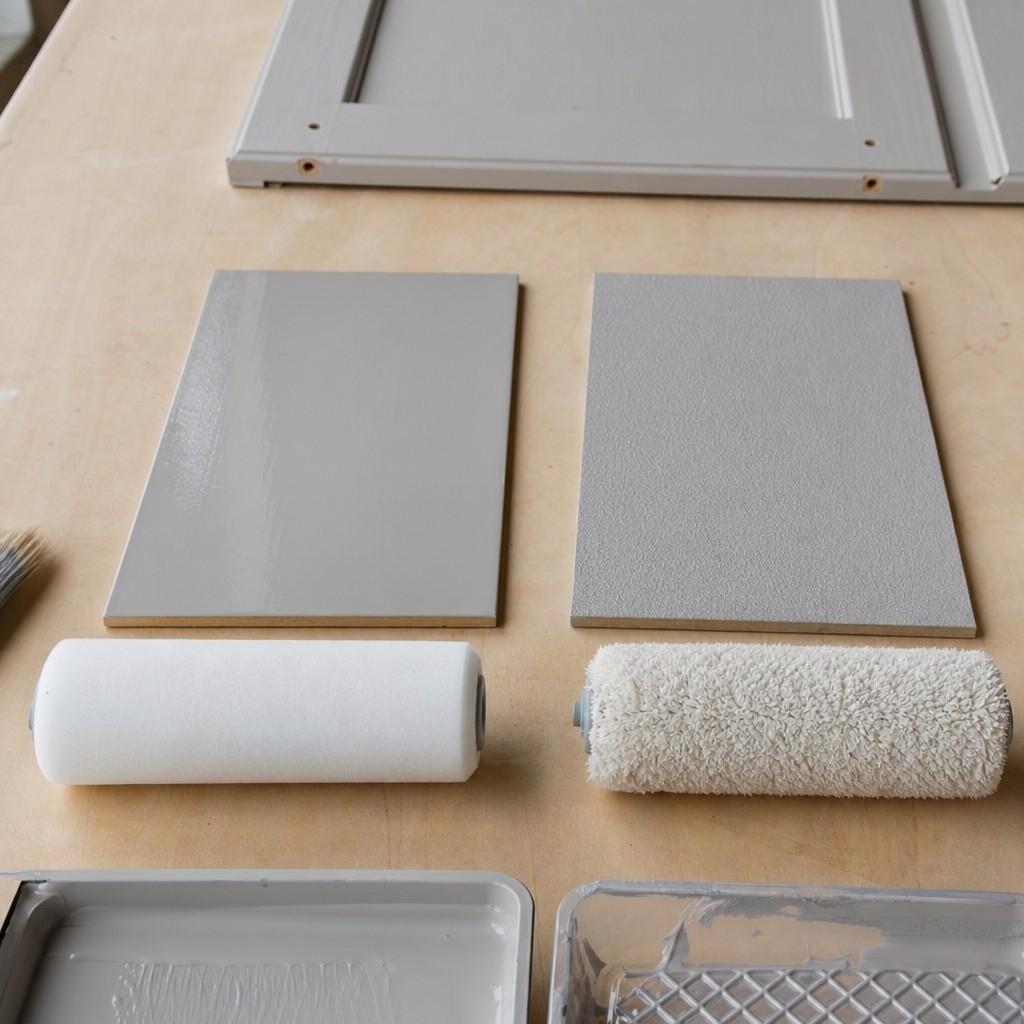
Match the tool to the spot, not the whole cabinet.
- Flat door and drawer fronts: the Wooster Mini-Koter foam roller lays down the smoothest base coat.
- Wide door faces, want fewer passes: the Wooster Pro 4.5 inch roller covers more per pass.
- Edges, corners, and profiled panels: the Purdy Clearcut Glide angled brush reaches what the rollers cannot.
- First cabinet project, nothing on hand yet: the Bates 19-piece kit covers the frame, tray, and sleeves in one purchase.
- Narrow rails, stiles, and face frames: the Magimate small roller set is sized for the gap.
Every pick here assumes the surface is already degreased, deglossed, and primed first. No roller or brush can make up for a prep step that got skipped.
Frequently asked questions
Foam or microfiber roller for cabinets?
Foam is the better default for a cabinet topcoat, since closed-cell foam levels out smoother than any nap cover. Microfiber sleeves, like the ones in the Bates kit, are more at home on primer or on walls and trim.
Do I need to brush at all if I roll?
Yes, a roller alone cannot reach every spot on a cabinet door. The angled brush tips off the profiled edges, inside corners, and face-frame gaps the roller misses.
How many coats do cabinets need?
Two to three thin coats is standard for a cabinet topcoat. A single heavy coat looks faster but sags, drips, and levels out worse than a couple of light ones.
Can I use a regular wall roller instead of a foam one?
You can, but a standard nap roller leaves a texture that reads as painted furniture up close. A closed-cell foam cover gets a cabinet door closer to a sprayed look by hand.
Bottom line
The Wooster Mini-Koter foam roller is the pick for most cabinet topcoats. Closed-cell foam lays down a smooth, low-stipple coat on flat door and drawer fronts.
Reach for the Wooster Pro 4.5 inch roller on wide door faces, where fewer passes means fewer seams. Reach for the Purdy Clearcut Glide brush for edges, corners, and profiled panels no roller sits flat on.
Reach for the Bates 19-piece kit when a first cabinet project needs a frame and tray along with the covers. Reach for the Magimate small roller set for narrow rails, stiles, and the inside of a face frame.
Prep still outranks every tool on this list. A door that was degreased, deglossed, and primed takes a clean coat from any of them. One that skipped a step will show it through the best roller made.