INSL-X Cabinet Coat vs. Benjamin Moore Advance: Which Cabinet Enamel?
INSL-X Cabinet Coat and Benjamin Moore Advance come from the same company. Cabinet painters end up choosing between them more often than against them.
They are not really rivals.
They are two tools built for slightly different jobs.
Short answer: Cabinet Coat is the easier buy. It sells on Amazon, grips tricky old surfaces, and often skips the separate primer coat. Advance is the fuller Benjamin Moore experience: dealer-only, a huge color range, and a finish that cures hard like an oil paint. It just asks for more patience, and it always needs a bonding primer.
Reader-supported: if you buy through links on this page we may earn a small commission, at no extra cost to you.
INSL-X Cabinet Coat vs. Benjamin Moore Advance at a glance
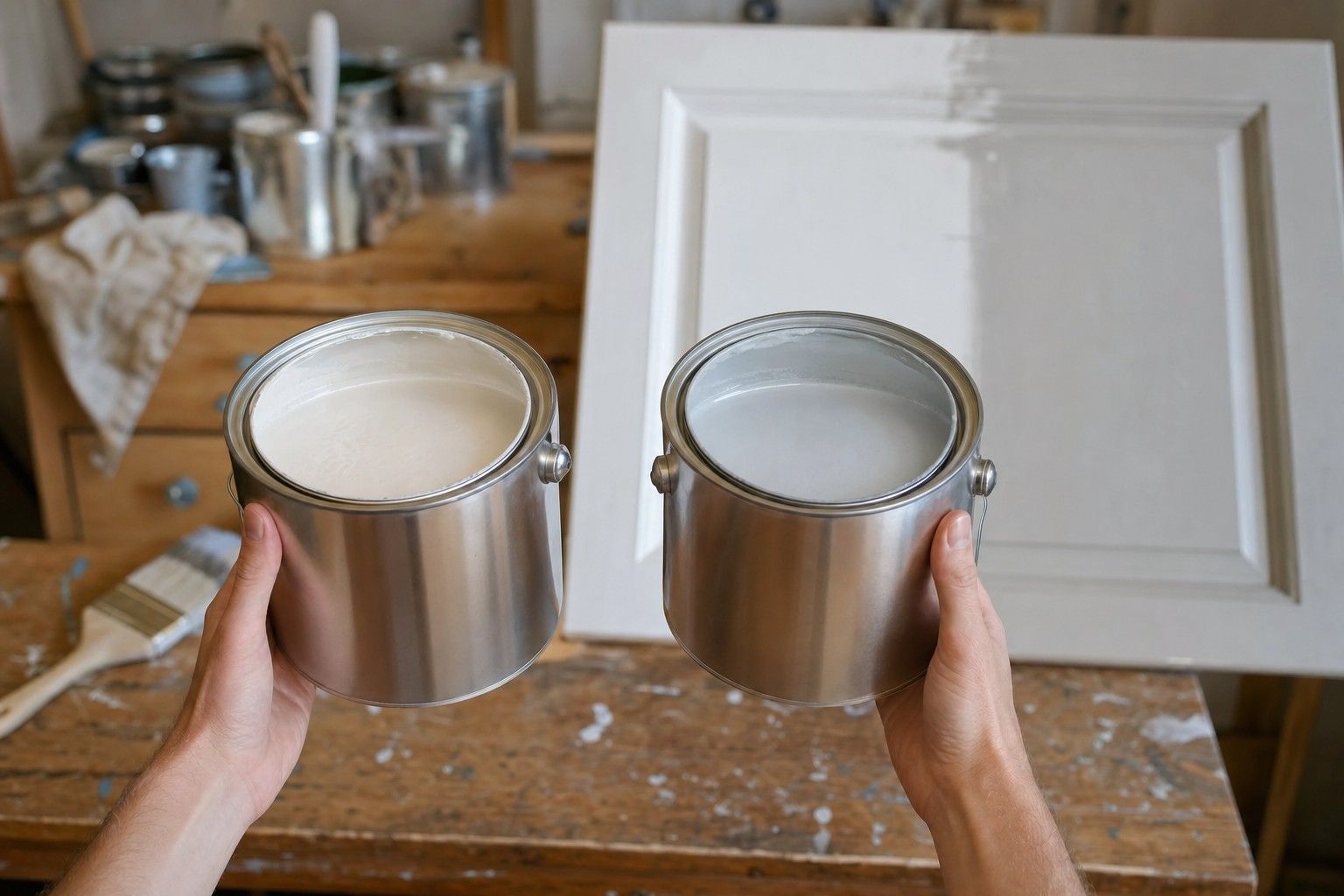
Cabinet Coat leans on adhesion and convenience. Advance leans on color range and a hard, furniture-like cure.
Both are enamels aimed at cabinets, but they split on how you buy them, how they prime, and how they cure.
| Feature | INSL-X Cabinet Coat | Benjamin Moore Advance |
|---|---|---|
| Paint type | Urethane acrylic enamel | Waterborne alkyd enamel |
| Sheens | Satin, semi-gloss | Matte, satin, semi-gloss, high-gloss |
| Primer needed | Often skipped on sound, sanded surfaces | Always needed, not self-priming |
| Cure character | Adhesion-focused, grips old varnish and polyurethane | Cures hard like an oil paint, slow recoat window |
| Cleanup | Water cleanup | Water cleanup |
| Where to buy | Paint retailers and Amazon | Benjamin Moore dealers only |
| Color range | INSL-X’s own cabinet color offering | Full Benjamin Moore color range |
| Best for | Adhesion-critical repaints, easy online buying | Color matching and a furniture-hard finish |
Specs reflect manufacturer descriptions for each product. Check the can label before you buy.
INSL-X Cabinet Coat
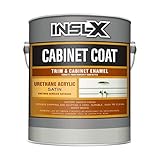

Cabinet Coat is the pick for painters who want one can that handles a stubborn surface.
It’s a urethane acrylic enamel built specifically for cabinet refinishing.
INSL-X markets it for strong adhesion on hard-to-paint surfaces. Old polyurethane and varnish, the finishes that make many enamels peel, are exactly its target.
On a sound, properly sanded surface, Cabinet Coat is often applied without a separate primer coat. That is a real part of the appeal for a weekend project.
Water cleanup keeps the job easier on brushes, rollers, and hands.
Bare wood, a previously varnished door, or any glossy problem surface still wants a dedicated primer first.
Skipping primer is the most common way a cabinet enamel fails early.
Benjamin Moore Advance
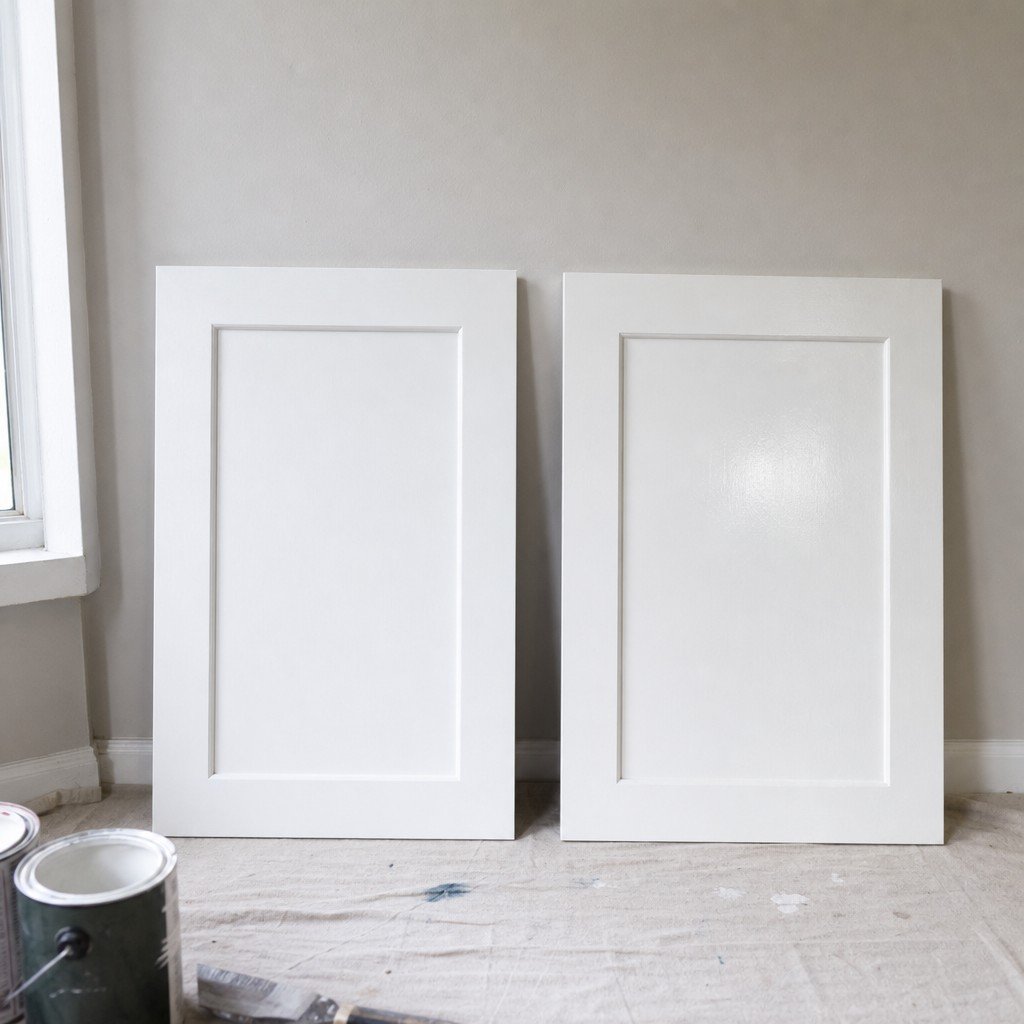
Advance is the pick for painters who want the full Benjamin Moore color book and a truly hard cure.
It’s a waterborne alkyd enamel, the kind of formula that cures more like an old-school oil paint than a standard latex.
That gives Advance a long open time and excellent leveling. Brush and roller marks melt away as it dries.
The tradeoff is a long recoat window.
The cure takes patience. Plan the project around a slower schedule than Cabinet Coat allows.
Advance always needs a separate bonding primer. It is not self-priming.
That step is never optional.
One real difference from Cabinet Coat: Advance is sold only through Benjamin Moore dealers, never on Amazon. Curious how its character compares elsewhere in the lineup? The Advance vs. Aura comparison digs into that same hard, slow cure against Aura’s wall-paint personality.
Prep is the same for both
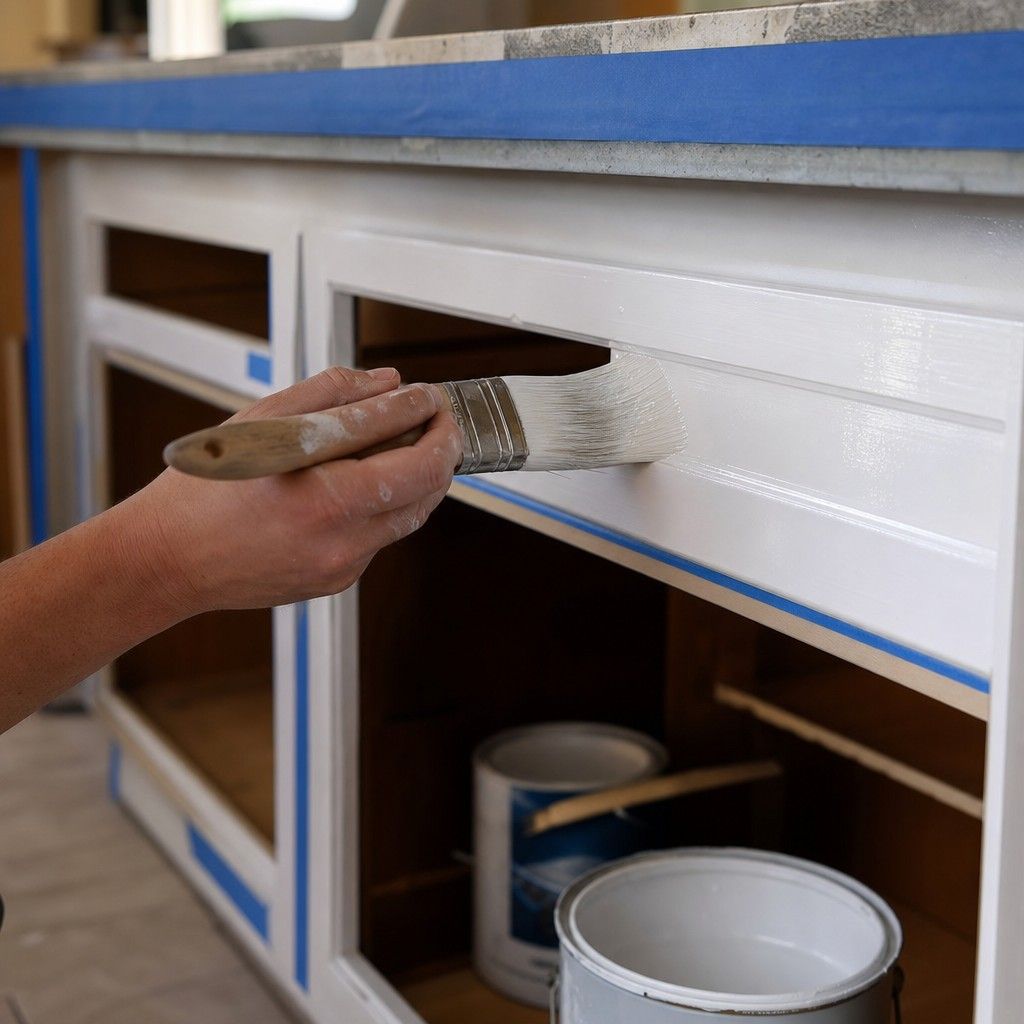
Neither enamel forgives skipped prep. The steps are identical no matter which can you choose.
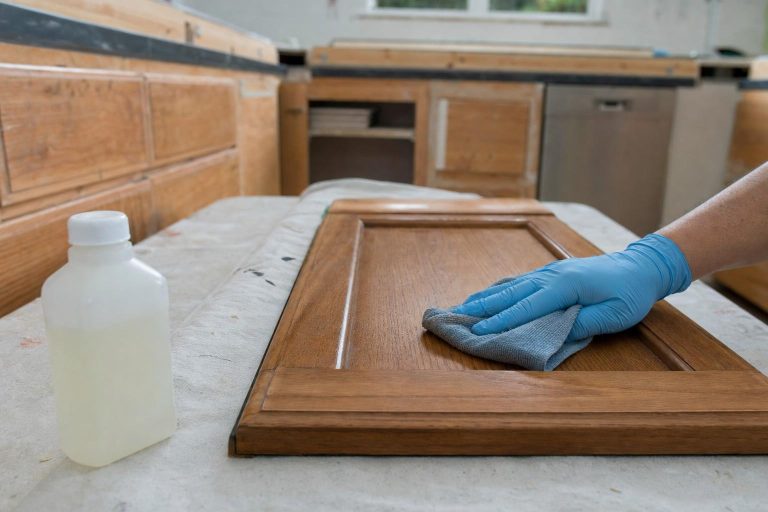
Start by degreasing every surface. Cooking grease blocks adhesion even after a quick wipe-down.
Working over an old glossy finish? Our guide to the best deglosser for kitchen cabinets covers cutting that sheen without sanding a single door.
Bare wood or a stubborn old finish still wants a dedicated bonding primer under either enamel. Something like INSL-X Stix bonding primer grips glossy, hard-to-paint surfaces well and works under both Cabinet Coat and Advance.
Want to weigh a few options side by side first? Our best bonding primer for kitchen cabinets roundup breaks down the top picks.
Which one fits your cabinets
The right can depends on how you shop and how much patience the project allows.
Choose Cabinet Coat if:
– You want to order online and get started without a special trip.
– Your doors have a stubborn old finish, and skipping a primer coat on sound surfaces sounds appealing.
– A satin or semi-gloss finish covers what you need, with nothing more exotic.
Choose Advance if:
– You already work inside the Benjamin Moore color system and want a matching sheen.
– You want the widest sheen range, from matte through high-gloss.
– You can wait out a slower cure for a finish that hardens like furniture lacquer.
Convenience picks Cabinet Coat. Color and cure pick Advance.
Bottom line
Cabinet Coat is the simpler purchase. Advance is the fuller finish, if you have the patience and the color chart in hand.
Neither is a bad choice picked from the same family. If the goal is getting cabinets covered fast without a special order, Cabinet Coat is the easier lane. If color matching to trim or walls already painted in a Benjamin Moore shade matters more than speed, Advance is worth the wait.
Weighing enamels beyond this pair? The Advance vs. ProClassic vs. Emerald Urethane comparison lines up three more cabinet finishes side by side.