Best Bonding Primer for Kitchen Cabinets (No Sanding Required)
A deglossed cabinet is not ready for paint yet. It still needs a primer built to grip that dulled, no-longer-glossy surface.
Skipping straight to paint from here is how the deglossing step ends up wasted.
The INSL-X Stix Waterborne Bonding Primer is the best overall pick, a water-based bonding primer built for exactly that job.
Three other picks below fit specific situations: stain-blocking on a rough history, a tighter budget, and raw oak that bleeds tannin through paint.
Reader-supported: if you buy through links on this page we may earn a small commission, at no extra cost to you.
INSL-X Stix Waterborne Bonding Primer (best overall)


Stix is a water-based bonding primer, not a shellac or oil formula. That keeps cleanup to soap and water and cuts down on strong solvent smell in a kitchen.
It is built specifically to grip surfaces paint normally slides off, laminate, PVC, glass, tile, and glossy factory cabinet finishes among them.
That makes it the standard choice once a deglosser has already cut the old sheen. The primer’s job is adhesion, not covering stains or odors.
One honest limitation: Stix is not a dedicated stain blocker. A cabinet with water stains, smoke damage, or heavy tannin bleed still wants one of the stain-blocking picks below.
Zinsser B-I-N Shellac-Base Primer (best for slick surfaces and stain blocking)

B-I-N is a shellac-based primer-sealer, a different chemistry than a water-based bonding primer.
Shellac grips slick, glossy surfaces and blocks stains at the same time, water marks, smoke, and old marker or ink among them.
That combination earns its keep on cabinets with a checkered history. Old smoke residue, a past water leak, or a finish nobody can identify are exactly what it is built for.
The tradeoff is the smell. Shellac-based primer carries a strong solvent odor, so plan on good ventilation and cleanup with denatured alcohol rather than soap and water.
KILZ Adhesion High-Bonding Primer (best budget pick)
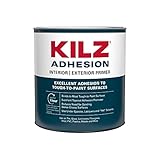
KILZ Adhesion is a water-based bonding primer aimed at the same slick, glossy surfaces as Stix, at a lower price point.
It is the pick when budget matters most, a straightforward bonding primer with no stain-blocking or oil-based formula layered on top.
It works well on cabinets that are simply glossy or previously painted, with no stain or tannin problem to solve.
Limitation: it is not a stain blocker. A cabinet with water stains or bleed-through problems still needs one of the specialty picks instead.
Zinsser Cover Stain Oil-Base Primer (best for oak and tannin bleed)

Cover Stain is an oil-based primer-sealer, built for a specific problem: tannin bleed.
Oak, along with other tannin-rich woods, can bleed a yellow or brown stain through paint over time, especially under light colors.
Cover Stain blocks that bleed-through, something a water-based primer generally cannot do. That makes it the pick for oak cabinets headed toward a white or pale paint color.
The tradeoff is application. Oil-based primer means mineral spirits for cleanup, a longer wait before recoating, and a stronger smell while it dries.
How to choose a bonding primer
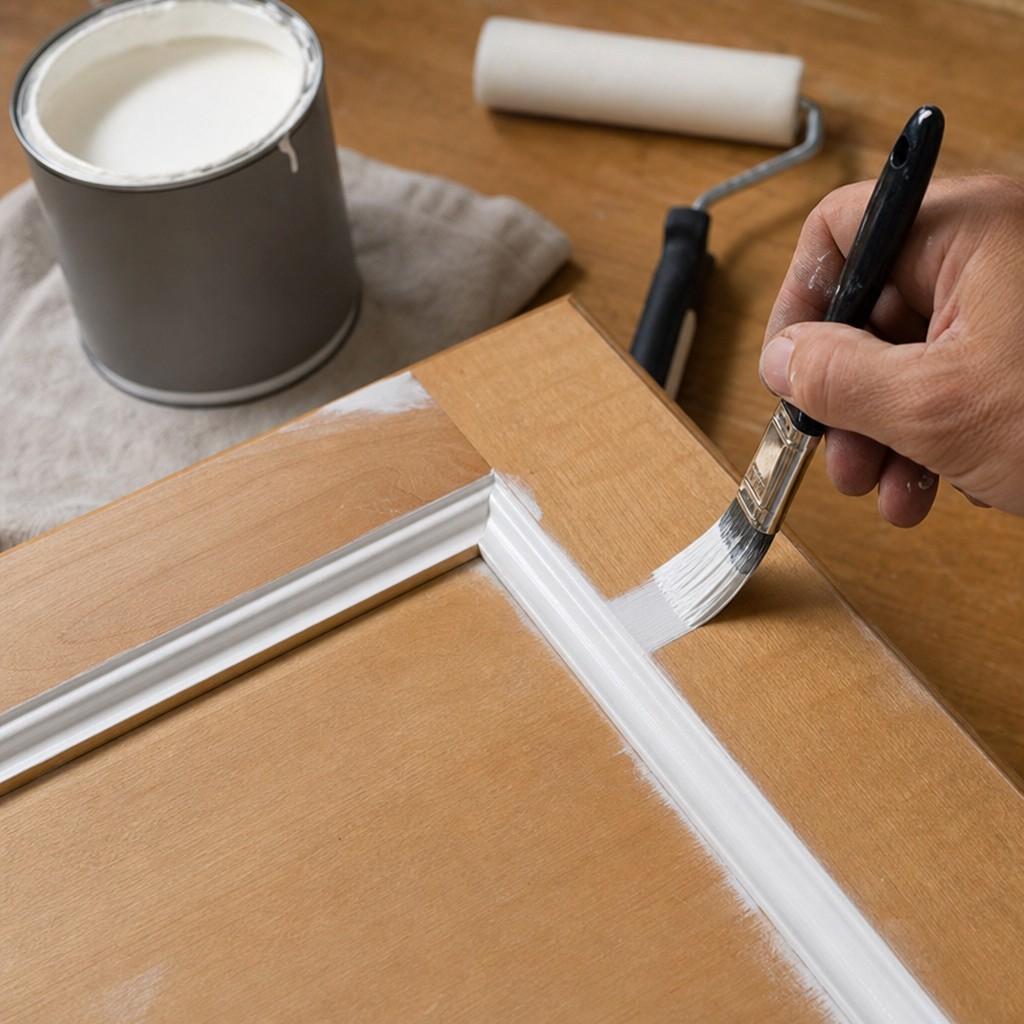
Match the primer to the surface problem, not just the brand.
- Glossy or previously painted cabinet, no stains: a straightforward water-based bonding primer like Stix or KILZ Adhesion.
- Water stains, smoke residue, or an unknown old finish: a shellac-based primer like B-I-N handles adhesion and stain blocking together.
- Oak or another tannin-rich wood, especially under a light paint color: an oil-based primer like Cover Stain blocks bleed-through.
- Budget is the deciding factor: KILZ Adhesion covers the same slick-surface job as Stix for less.
Every one of these primers assumes the surface has already been deglossed or lightly scuffed. Skipping that step asks the primer to do a job it was not built for.
Do you even need a bonding primer?
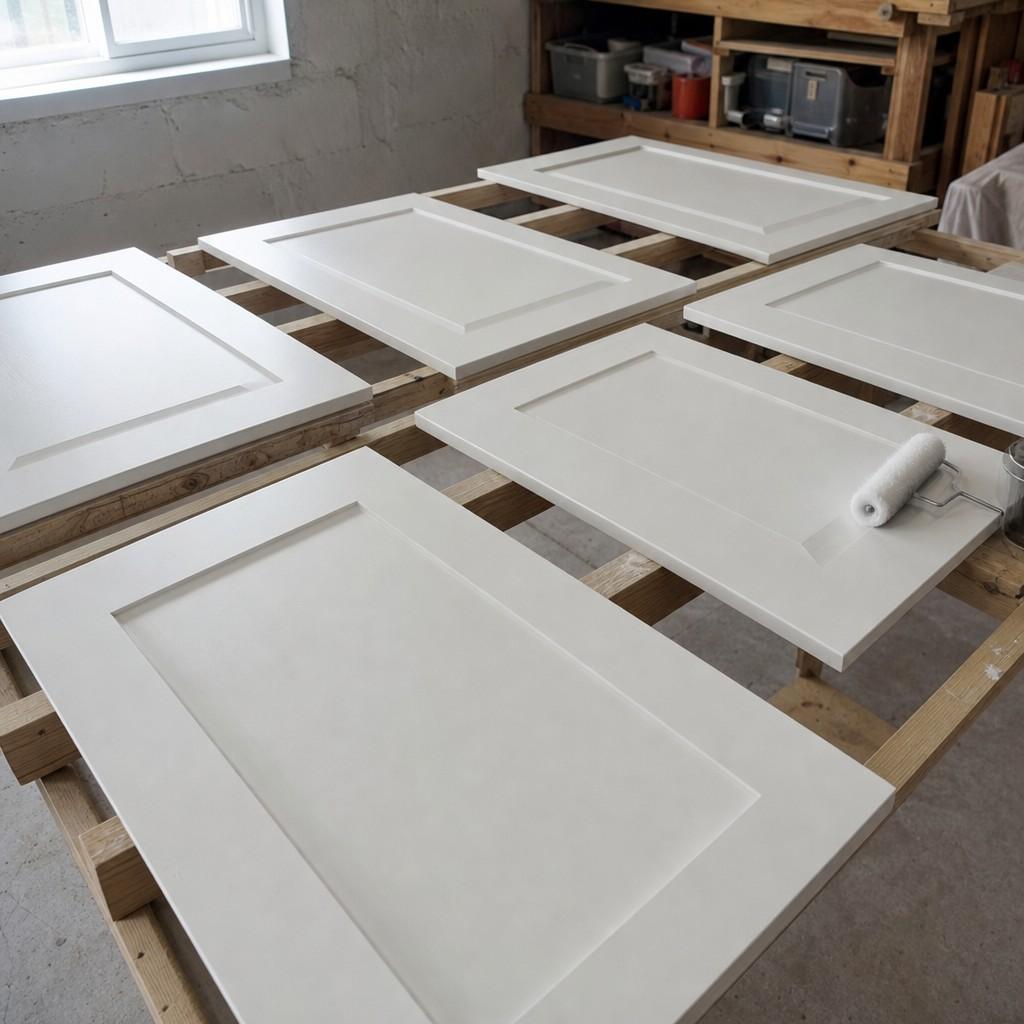
Not every cabinet job needs a specialty bonding primer.
A cabinet that already has a sound, dull, previously painted finish does not always need a fresh bonding primer. A second coat of the same enamel can go straight on, as long as nothing is peeling and the finish is not glossy.
A wall repaint with a modern self-priming paint does not need a separate bonding primer either. That shortcut is for walls, not cabinets that get opened and touched daily.
Skip the primer only when the surface is already dull and sound. Priming for a glossy or slick factory finish is what keeps paint from chipping or peeling early, so do not skip it on a cabinet job just to save a step.
Frequently asked questions
Do I need to sand before priming if I already deglossed?
No. A deglosser dulls the sheen enough for a bonding primer to grip. That is the entire point of skipping sanding.
Can I use a regular primer instead of a bonding primer?
A generic wall primer is not built to grip a glossy or slick surface. It can peel the same way skipped prep does.
How many coats of bonding primer do cabinets need?
One even coat is standard for all four picks here. A second thin coat only helps on very glossy or very dark old finishes.
Do I still need to paint with a cabinet-grade enamel after priming?
Yes. Priming preps the surface. The enamel coat is what needs to hold up to daily use, so use a real cabinet-grade paint, not leftover wall paint.
Bottom line
The INSL-X Stix Waterborne Bonding Primer is the pick for most deglossed cabinets. Water-based, built for grip, and enough for a cabinet with no stain or tannin problem.
Reach for Zinsser B-I-N when the cabinet carries stains, smoke, or an unknown old finish. Reach for Cover Stain on oak or another tannin-heavy wood. Reach for KILZ Adhesion when the budget is the deciding factor.
Whichever one you pick, priming is what makes the deglossing step worth doing. Skip it and the paint has nothing solid to hold onto.