Best Paint Sprayer for Kitchen Cabinets: 5 Top Picks
Kitchen cabinet doors are off their hinges, primed, and ready for a finish coat. The one decision left is which sprayer gets there without drips, streaks, or a wasted weekend.
The HomeRight Super Finish Max is the best pick for most cabinet projects.
Call it a paint sprayer or a spray gun. Either way, the right pick turns a kitchen’s worth of doors into a smooth, even job.
Four other picks below fit specific situations: a finer finish, no cord or compressor, a tighter budget, and a full kitchen plus trim and walls.
Reader-supported: if you buy through links on this page we may earn a small commission, at no extra cost to you.
HomeRight Super Finish Max (best overall for most DIYers)

Best for: most DIYers tackling their first sprayed cabinet job.
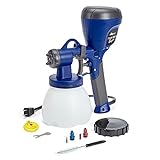
This is the sprayer most first-time cabinet painters land on, and for good reason. It is a handheld HVLP unit, so it atomizes paint into a fine, even mist instead of a heavier splatter.
The three included brass tips cover almost every material a cabinet job calls for, stains, sealers, and latex among them. Three spray patterns adjust for flat doors versus tight corners.
It is also easy to clean between coats, which matters more than it sounds on a multi-day project. Wipe it out, swap tips, and keep moving.
One honest limitation: this is a light-duty unit built for furniture and cabinets, not a full-house repaint job. For one kitchen’s worth of doors and drawers, that is the right amount of machine.
Fuji Semi-PRO 2 (best fine finish, a step up in quality)

Best for: a step up in finish quality once you have sprayed a door or two already.
The Semi-PRO 2 is a turbine HVLP system, not a handheld unit. The turbine sits on the floor and feeds air to the gun through a hose.
A 2-stage bypass motor and a non-bleed spray gun are what produce that smoother, more professional coat. That difference shows up most on doors and drawer fronts under close kitchen light.
The M-model gun’s fan control adjusts the spray pattern width on the fly. A 1000cc bottom-feed cup keeps refills infrequent during a full cabinet job.
One honest limitation: it is a bigger, pricier setup than a handheld sprayer, with a hose to manage and more parts to clean. It rewards someone who wants the best finish and does not mind the extra step.
Graco TC Pro Cordless (best cordless, no hose or compressor)
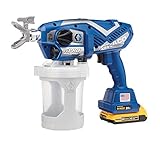
Best for: a project with no room for a hose, cord, or compressor.
The TC Pro is a cordless handheld airless sprayer. It runs on a swappable battery, the same kind that powers a cordless drill.
There is nothing to plug in and no hose to drag around the garage, which makes it the grab-and-go pick of the group. Carry it from door to door and spray in any direction, including upside down.
It is built for a batch of doors rather than a whole-house job, comfortably covering a job of up to around two gallons of material. That is plenty for a full set of kitchen cabinet doors and drawer fronts.
One honest limitation: battery-powered airless sprayers trade some fine-finish control for convenience. It is the pick for speed and freedom of movement, not the flawless, sprayed-on finish the turbine unit above delivers.
Wagner Control Spray 250 (best budget pick)

Best for: keeping the budget as low as it can go and still get an acceptable coat.
The Control Spray 250 is a corded handheld HVLP sprayer, the same basic category as the top pick, at a lower price. Adjustable material flow and three spray patterns cover flat doors and trim edges alike.
It is the cheapest sprayer here that still lays down an acceptable cabinet coat, rather than a thin, uneven one. That makes it a fair pick for a first cabinet project on a tight budget.
Some thicker cabinet paints may need thinning to run smoothly through it, so check the paint can’s label before loading the cup.
One honest limitation: it is a simpler machine than the top pick, with less refinement in how evenly it lays down thicker paints. For a light, careful hand and a modest budget, it still gets the job done.
Graco Magnum X5 (best for a whole-kitchen job)

Best for: cabinets plus trim, walls, or a full kitchen repaint in one push.
The Magnum X5 is a stand airless sprayer, a different class of machine than the four handheld picks above. A stainless piston pump and 3000 psi of pressure move a lot of paint fast.
The 75-foot hose reach and a rating for projects up to about 10 gallons suit a bigger job, cabinets combined with trim and walls, not just doors. Adjustable pressure dials the output down for smaller surfaces.
Here is the honest part. An airless sprayer atomizes paint coarser than an HVLP unit, straight out of the box. Plan on adding a fine-finish (FFLP) tip for a smooth cabinet-door coat.
With that tip swap, the X5 turns a whole-kitchen repaint into a single push instead of a multi-weekend project. Without it, save the X5 for walls and trim, and let one of the HVLP picks above handle the doors.
How to spray kitchen cabinets
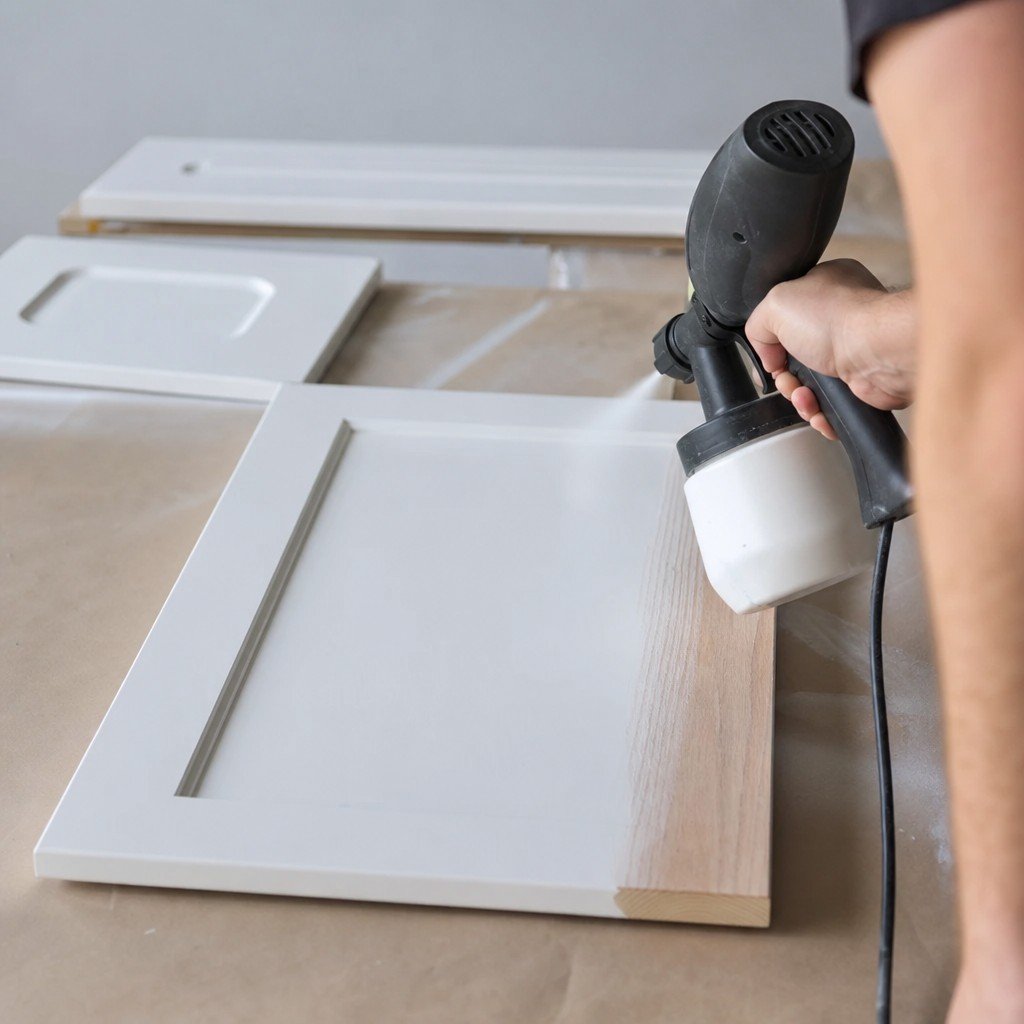
Prep decides the result more than the sprayer does.
- Remove every door, drawer front, and piece of hardware. Label each one with tape.
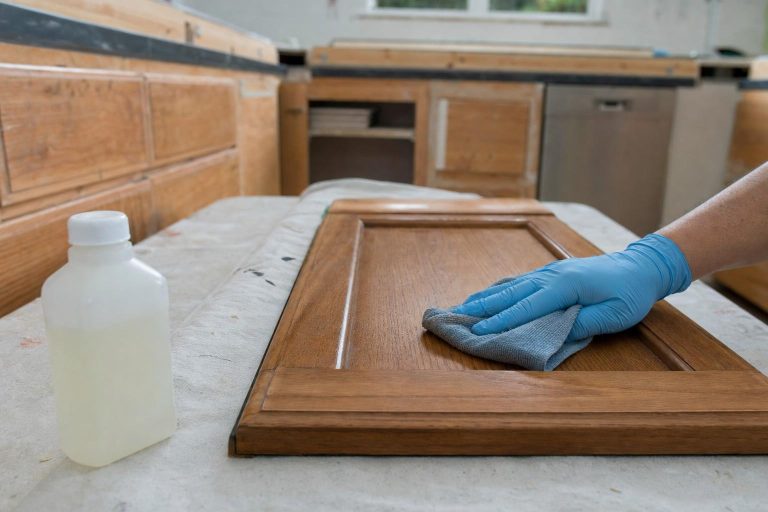
- Degrease, then cut the gloss with a deglosser and follow with a bonding primer before any paint goes on.
- Check whether your cabinet paint needs thinning. Thicker enamels often do, and the label or the sprayer’s manual will say how much.
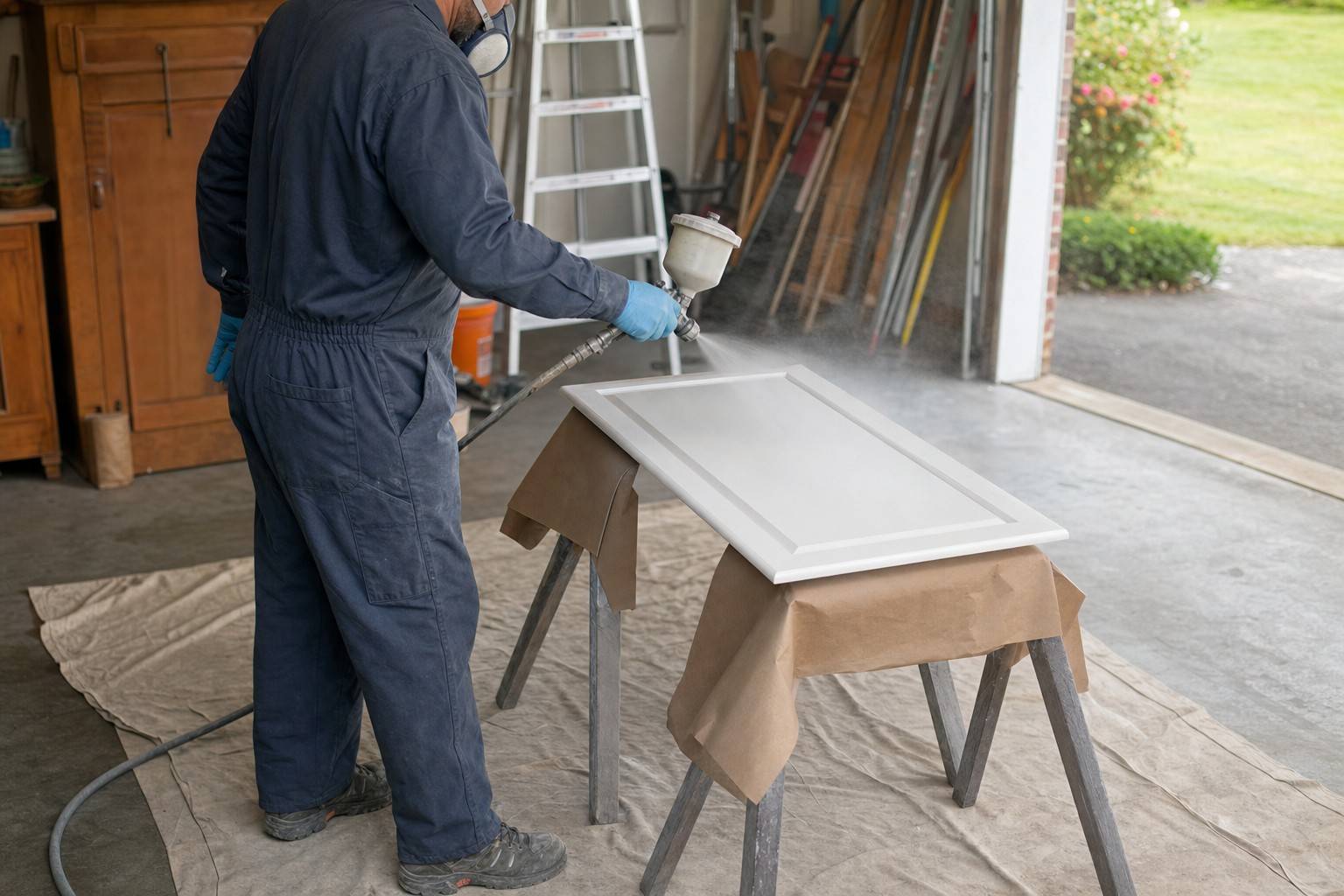
- Spray light, even coats. Two or three thin passes build a harder, smoother finish than one heavy one that sags.
- Work with a fan running or a garage door open. A sprayer puts more paint into the air than a brush does.
For the fuller prep-to-finish sequence, including sanding steps and cure times, see the full cabinet painting checklist.
When a sprayer is the wrong call
A sprayer is not always worth the setup.
Spraying means masking off an entire room, or moving every door out to a garage or driveway. That overhead is real, and it is not always worth it.
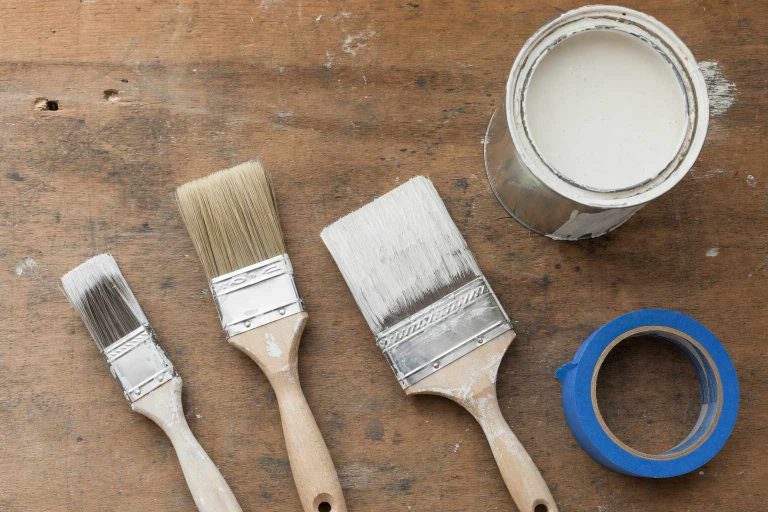
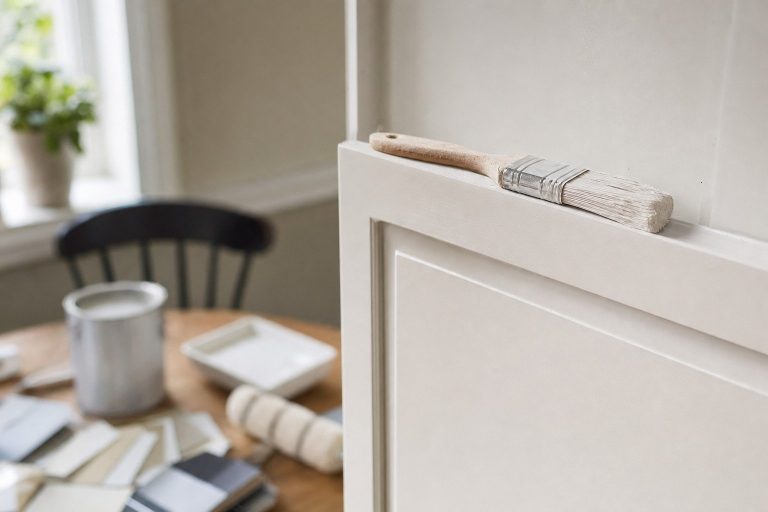
A small kitchen, a short-term rental, or just a few doors to refresh are all situations where the math changes. A good brush and a foam mini-roller get you a durable, presentable finish without any of the masking or ventilation a sprayer demands.
The finish will show faint brush or roller texture up close. Most kitchens never get inspected at that distance, and the paint holds up the same either way.
Anyone going that route can start with the brush and roller picks for cabinets.
If you are only touching up a couple of doors, cleanup alone can take longer than the paint job. A sprayer earns its keep on volume, a whole kitchen’s worth of doors and drawers, not a handful.
How to choose a cabinet sprayer
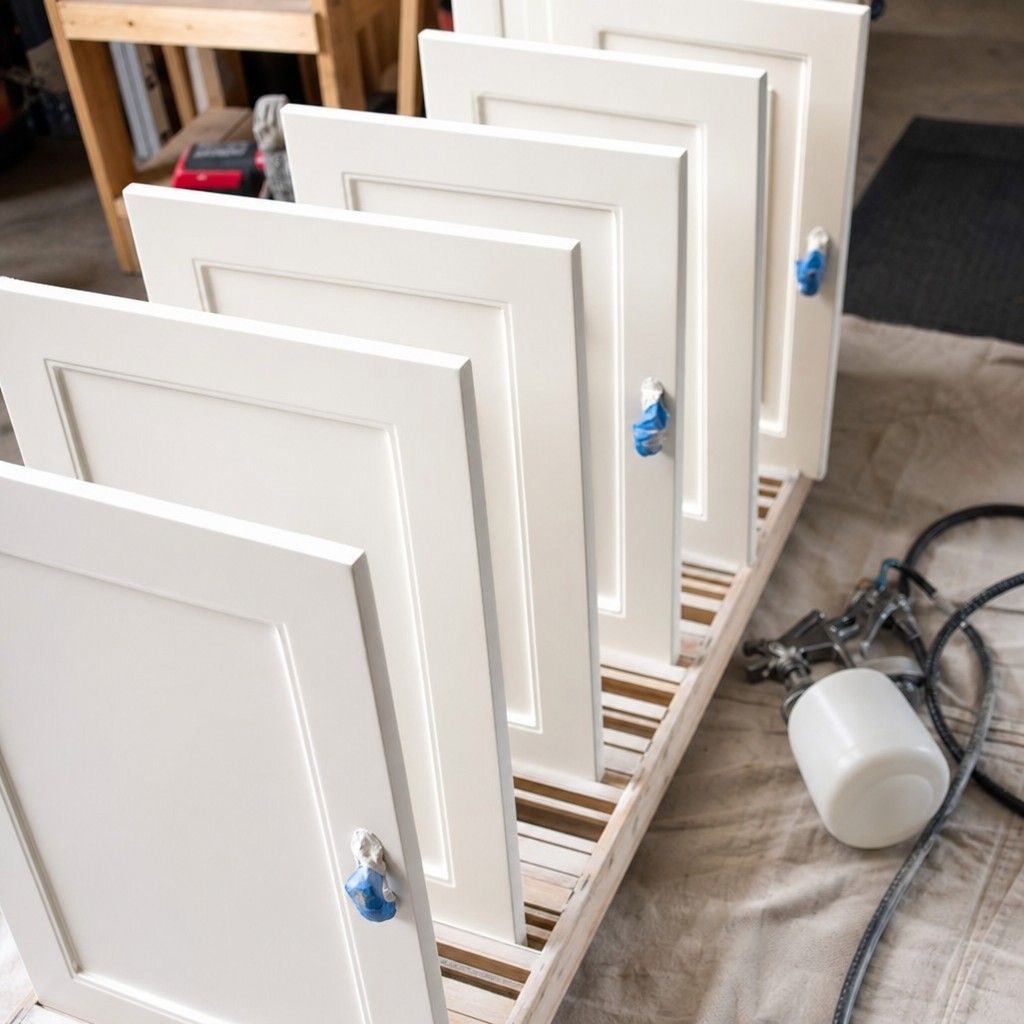
Match the sprayer to the job, not the other way around.
- First cabinet project, no sprayer experience: the HomeRight Super Finish Max is the forgiving, easy-to-clean starting point.
- Want the smoothest possible finish and do not mind a bigger setup: the Fuji Semi-PRO 2 turbine system delivers it.
- No hose, no compressor, want to grab it and go: the Graco TC Pro Cordless skips the cord entirely.
- Tight budget, still want an acceptable sprayed coat: the Wagner Control Spray 250 is the cheapest pick that holds up.
- Cabinets plus trim, walls, or a full kitchen in one push: the Graco Magnum X5 covers the most ground. Add a fine-finish tip for the doors.
Every one of these assumes the surface is already degreased, deglossed, and primed. A sprayer cannot fix prep that was skipped.
Frequently asked questions
HVLP or airless for cabinets?
HVLP is the better default for cabinet doors, since it lays down a finer, more controlled coat. Airless sprayers like the Magnum X5 move more paint faster and suit trim, walls, and whole-room jobs better, unless you add a fine-finish tip.
Do I have to thin the paint?
Sometimes. Thicker cabinet enamels often need thinning to run smoothly through a sprayer, while thinner stains and sealers usually do not. Check the paint can’s label or the sprayer’s manual for the right ratio.
Can a beginner get a smooth finish?
Yes, with practice on scrap first. A handheld HVLP sprayer like the HomeRight is forgiving enough for a first attempt, especially with light, even coats instead of one heavy pass.
How many coats does a sprayer need?
Two to three thin coats is standard across all five picks here. A heavier single coat looks faster but sags, drips, and cures softer than a couple of light ones.
Bottom line
The HomeRight Super Finish Max is the pick for most cabinet projects. It is easy and forgiving, and it handles doors, drawers, and trim without a steep learning curve.
Reach for the Fuji Semi-PRO 2 when the finish quality matters more than the price or the extra setup. Reach for the Graco TC Pro Cordless when a cord and hose are more hassle than the job is worth.
Reach for the Wagner Control Spray 250 when the budget is the deciding factor. Reach for the Graco Magnum X5 (with a fine-finish tip added) when the job covers a full kitchen, not just the doors.
No sprayer on this list can rescue skipped prep. Degrease, degloss, and prime first, and any of the five will lay down a finish worth the weekend.